
Vraj Fresh App
Faster ordering & live tracking

Get the Vraj Fresh app for
Live tracking • Exclusive offers

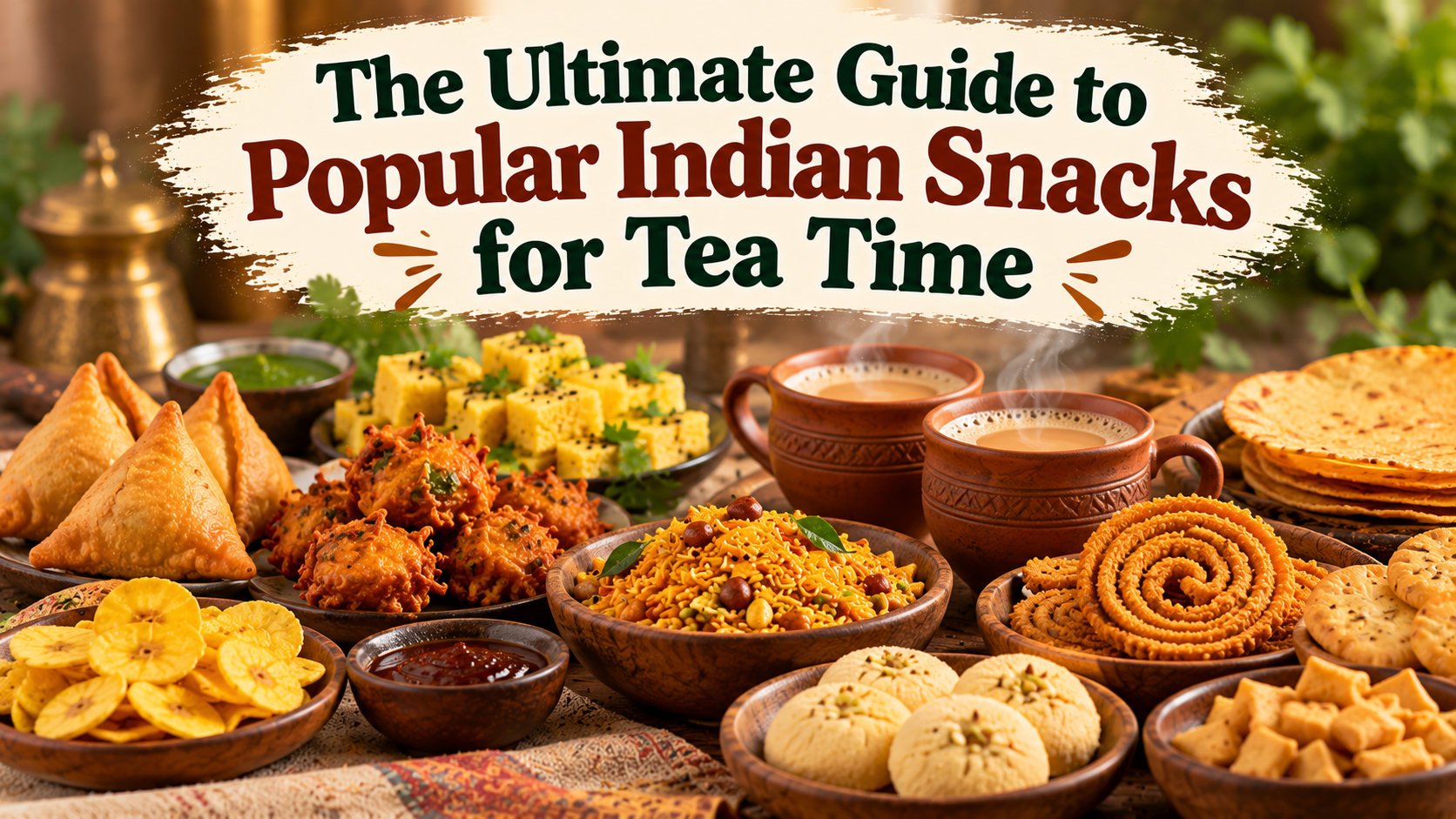
In India, tea time is more than a quick break. It is a chance to slow down, catch up with family, welcome guests, and enjoy something delicious alongside a steaming cup of chai. From crispy samosas and spicy pakoras to crunchy namkeen and sweet biscuits, Indian tea-time snacks offer a wonderful mix of flavors, textures, and regional traditions.
Whether you enjoy masala chai in the afternoon or prefer a cup of tea with an evening snack, there is an Indian treat for every craving. Many of these snacks are also easy to serve at family gatherings, festive celebrations, or casual get-togethers.
For anyone living in the United States and looking to explore Indian food traditions, tea-time snacks are an excellent place to start. Some are best enjoyed freshly prepared, while others can be stored in the pantry and served whenever you want a quick bite.
In this guide, we will explore 15 popular Indian snacks for tea time, discover what makes each one special, and share tips for pairing them with your favorite cup of chai.
Indian snacks stand out because of their variety. Some are crispy and savory, others are spicy and tangy, and many offer a satisfying balance of sweet and salty flavors.
Here are a few reasons why they are such an important part of Indian food culture:
A variety of flavors: Enjoy everything from mild, savory snacks to spicy, sweet, and tangy treats.
Regional diversity: Gujarat, Maharashtra, Rajasthan, Bengal, and other regions have their own distinctive snack traditions.
Different textures: Crispy, crunchy, soft, fluffy, and flaky snacks make tea time more interesting.
Perfect for sharing: Many Indian snacks are served on plates or in bowls for everyone to enjoy together.
Options for every occasion: Choose freshly fried snacks for a weekend gathering or packaged treats for everyday tea breaks.
The best part? You do not need to prepare an elaborate meal. A cup of chai and one or two favorite snacks can make an ordinary afternoon feel special.
Samosa is one of the most recognizable Indian snacks, loved for its crisp pastry and flavorful filling. The traditional Indian version is commonly filled with spiced potatoes, peas, and aromatic seasonings, then fried until golden.
Its crunchy exterior and soft, savory filling make it a favorite at tea stalls, family gatherings, and parties.
Best served with: Mint chutney, tamarind chutney, or tomato ketchup.
Tea pairing: Masala chai or strong black tea.
Best for: Rainy evenings, weekend snacks, and entertaining guests.
If you enjoy preparing snacks at home, you can also bake samosas instead of frying them. The texture will be different, but they can still be delicious.
Pakora is a classic choice when you want something hot, crispy, and comforting with your tea. These fritters are typically made by coating vegetables in seasoned gram flour batter and frying them until crisp.
Common varieties include onion pakora, potato pakora, spinach pakora, and cauliflower pakora. Regional recipes may use different spices and vegetables.
Pakoras are especially popular during the monsoon season, when a plate of freshly fried fritters and hot chai feels particularly comforting.
Best served with: Green chutney or tamarind chutney.
Tea pairing: Ginger tea or masala chai.
Best for: Rainy days, evening cravings, and family gatherings.
For a homemade version, sliced onions, potatoes, or spinach are easy ingredients to start with.
Kachori is a deep-fried pastry known for its crisp outer layer and flavorful filling. Depending on the region and recipe, the filling may contain spiced lentils, peas, onions, or potatoes.
Rajasthani kachori varieties, including pyaaz kachori, are particularly popular. Some versions are served with chutneys or a potato-based curry, while others are enjoyed on their own.
Kachori has a rich, satisfying texture that makes it a good choice when you want something more substantial than a light snack.
Best served with: Tamarind chutney, green chutney, or spicy potato curry.
Tea pairing: Masala chai.
Best for: Weekend breakfasts, special occasions, and hearty tea-time snacks.
Dhokla is a popular Gujarati snack known for its soft, fluffy texture and gently tangy flavor. It is generally prepared with gram flour or fermented batter and steamed rather than deep-fried.
A tempering of mustard seeds, curry leaves, and green chilies adds aroma and flavor. Fresh coriander and grated coconut may be used as garnishes.
Unlike many crispy Indian snacks, dhokla is light and moist, making it a pleasant alternative when you want something savory without a fried coating.
Best served with: Green chutney or coriander chutney.
Tea pairing: Light masala chai or ginger tea.
Best for: Afternoon tea, breakfast, and small gatherings.
Dhokla is a particularly good introduction to Gujarati snacks for anyone exploring Indian cuisine for the first time.
Fafda is a traditional Gujarati snack made from seasoned gram flour dough. The dough is shaped into thin strips and fried until crisp, creating a savory snack with a distinctive crunch.
It is especially associated with Gujarati breakfast traditions and is famously paired with jalebi. However, fafda can also be enjoyed as a tea-time snack.
Its mild seasoning and crunchy texture make it enjoyable on its own or with a suitable chutney.
Best served with: Green chutney or a traditional Gujarati accompaniment.
Tea pairing: Masala chai.
Best for: Weekend breakfasts, festive mornings, and traditional Gujarati snack platters.
If you enjoy exploring regional Indian food, fafda is worth trying alongside other Gujarati favorites.
Chakli is a crunchy, spiral-shaped Indian snack made from a seasoned flour mixture. Depending on the regional recipe, the dough may contain rice flour, gram flour, or a combination of flours and spices.
The dough is pressed into spiral shapes and fried until crisp. Chakli is particularly popular in Maharashtra and Gujarat, although similar snacks are enjoyed in other parts of India.
Its crisp texture and savory seasoning make it an excellent pantry snack because properly stored chakli can remain enjoyable for days or longer, depending on its preparation and packaging.
Best served with: A cup of chai, without needing an additional dip.
Tea pairing: Ginger tea or masala chai.
Best for: Festive snack boxes, travel, and everyday tea breaks.
Chakli is also a popular choice during Diwali, when families prepare or share a variety of homemade savory snacks.
Mathri is a flaky, crunchy North Indian snack often made with flour, salt, and spices. The dough is shaped into small discs and fried until crisp.
Some versions are plain, while others include ajwain (carom seeds), black pepper, or other seasonings. The result is a savory snack with a firm, crumbly texture.
Mathri is especially convenient for tea time because it can be prepared in advance and stored in an airtight container.
Best served with: Pickle, chutney, or plain chai.
Tea pairing: Milk tea or masala chai.
Best for: Pantry stocking, travel snacks, and serving unexpected guests.
For an easy tea-time platter, combine mathri with a small bowl of namkeen and some biscuits.
Namak pare are small, crunchy, savory pieces made from seasoned dough, usually cut into strips or diamond shapes before frying.
They are often prepared with flour, salt, and spices such as ajwain or cumin. Their straightforward flavor and crisp texture make them easy to enjoy by the handful.
Like mathri and chakli, namak pare are frequently prepared in batches and stored for later. They are also popular during Indian festivals.
Best served with: Masala chai or ginger tea.
Tea pairing: Almost any everyday Indian milk tea.
Best for: Quick snacks, festive gatherings, and travel.
If you prefer savory snacks over sweets, namak pare are a simple and satisfying addition to your tea-time rotation.
Namkeen is a broad category of savory Indian snacks, and bhujia is one of its best-known varieties. Bhujia is typically made from gram flour and spices, pressed into thin strands, and fried until crisp.
Other popular namkeen options include sev, chivda, spicy mixtures, and roasted snack blends. Ingredients and spice levels vary by recipe and region.
Namkeen is especially convenient because it can be served straight from the package. It also works well as a crunchy topping for dishes such as poha and chaat.
Best served with: Chai, coffee, or a refreshing drink.
Tea pairing: Masala chai or regular milk tea.
Best for: Everyday snacking, sharing with friends, and quick refreshments.
For a simple snack bowl, combine bhujia with roasted peanuts or a suitable savory mixture. Check ingredient labels if you have allergies or dietary restrictions.
Khakhra is a thin, crisp Gujarati snack made from wheat flour and seasonings. It is cooked on a hot surface until dry and crunchy, giving it a texture somewhat similar to a thin cracker.
Popular varieties include plain, methi, jeera, masala, and other seasoned versions. Khakhra is generally less oily than many deep-fried snacks, although nutrition varies by recipe and brand.
It is a convenient option for people who prefer a crunchy snack that does not require reheating.
Best served with: Pickle, chutney, or a small serving of yogurt.
Tea pairing: Green tea, ginger tea, or regular chai.
Best for: Light tea-time snacks, travel, and office breaks.
Khakhra is particularly useful to keep in your pantry when you want a quick savory bite without cooking.
Aloo tikki is a popular Indian snack made from mashed potatoes mixed with spices and herbs, shaped into patties, and pan-fried or shallow-fried until golden.
Depending on the recipe, the patties may contain peas, lentils, or other fillings. Aloo tikki can be served as a simple snack or used as a base for chaat with yogurt, chutneys, and additional toppings.
Its soft center and crisp exterior offer a satisfying contrast in every bite.
Best served with: Mint chutney, tamarind chutney, or yogurt.
Tea pairing: Masala chai or ginger tea.
Best for: Freshly prepared snacks, weekend gatherings, and chaat platters.
For a lighter preparation, try pan-frying the patties with a moderate amount of oil rather than deep-frying them.
Bread pakora is a popular Indian snack made by dipping bread in seasoned gram flour batter and frying it until crisp. Some versions include a spiced potato filling between two slices of bread.
The outer coating becomes golden and crunchy, while the bread and filling remain soft inside. It is a filling option for anyone looking for a more substantial snack with tea.
Best served with: Mint chutney or tomato ketchup.
Tea pairing: Strong masala chai.
Best for: Rainy afternoons, weekend snacks, and casual get-togethers.
For a homemade version, add a simple potato filling seasoned with turmeric, cumin, coriander, and green chilies before dipping and frying the bread.
Shakarpara is a traditional Indian sweet snack made from dough that is cut into small pieces and fried or baked, then sweetened depending on the recipe.
Sweet shakarpara is often prepared with sugar, while savory versions may use salt and spices. The sweet variety is especially popular during festivals and family celebrations.
Its small size and crunchy texture make it easy to serve alongside tea without needing plates or utensils.
Best served with: Plain chai or lightly spiced tea.
Tea pairing: Cardamom tea or regular milk tea.
Best for: Festive snack boxes, sweet cravings, and sharing with family.
If you enjoy a sweet-and-savory combination, serve a few pieces of shakarpara alongside mathri or namkeen.
Nankhatai is a traditional Indian shortbread-style biscuit known for its crumbly texture and buttery flavor. Recipes commonly use flour, sugar, and ghee, although ingredients vary.
Some versions include cardamom, nutmeg, or chopped nuts for additional flavor. Nankhatai is especially popular in bakery shops and homemade festive assortments.
Unlike freshly fried snacks, these biscuits are easy to store and serve whenever you prepare a cup of tea.
Best served with: Plain tea, masala chai, or coffee.
Tea pairing: Cardamom tea or mild milk tea.
Best for: Afternoon tea, guests, and sweet snack platters.
If you enjoy baking, homemade nankhatai can be a wonderful way to introduce traditional Indian flavors to friends and family.
Banana chips are thin slices of banana that are fried or otherwise processed until crisp. In Indian snack traditions, especially in parts of South India, savory banana chips are a familiar favorite.
Depending on the variety, they may be seasoned with salt, spices, or other flavorings. Sweet versions are also available.
Their crisp texture makes them a convenient alternative to traditional flour-based snacks, although they can still contain considerable fat or added sugar depending on how they are made.
Best served with: A cup of chai or coffee.
Tea pairing: Ginger tea or regular milk tea.
Best for: Quick snacks, travel, and mixed snack bowls.
Choose the variety you enjoy most, and check the package ingredients and nutrition information if you are comparing different brands.
Use this table to choose a snack based on the flavor, texture, and preparation you prefer.
| Snack | Flavor and texture | Preparation | Best occasion |
|---|---|---|---|
| Samosa | Savory, crisp outside, soft inside | Fried or baked | Parties and evening chai |
| Pakora | Spiced and crunchy | Usually fried | Rainy days |
| Kachori | Rich, flaky, and savory | Fried | Hearty snacks |
| Dhokla | Soft, fluffy, and tangy | Steamed | Light tea time |
| Fafda | Crisp and savory | Fried | Gujarati breakfast or tea |
| Chakli | Crunchy and seasoned | Fried | Festive snacking |
| Mathri | Flaky and savory | Fried or baked | Pantry snacking |
| Namak pare | Crisp and salty | Fried or baked | Everyday tea breaks |
| Bhujia | Fine, crunchy, and spicy | Usually fried | Quick snacks |
| Khakhra | Thin and crisp | Griddle-cooked | Light snacking |
| Aloo tikki | Crisp outside, soft inside | Pan-fried or shallow-fried | Fresh snack platters |
| Bread pakora | Crunchy and filling | Fried | Weekend tea |
| Shakarpara | Sweet and crunchy | Fried or baked | Festive occasions |
| Nankhatai | Sweet and crumbly | Baked | Afternoon tea |
| Banana chips | Crisp and savory or sweet | Usually fried | Quick snacking |
Preparation methods and ingredients vary, so check individual recipes and product labels when choosing snacks for specific dietary needs.
The right tea pairing can make your snack taste even better. You do not need a complicated menu; simply match the strength of your tea with the flavor and richness of your snack.
Masala chai has a bold flavor with spices such as ginger, cardamom, and cinnamon. It pairs particularly well with savory snacks.
Try:
Samosa
Mathri
Kachori
Namak pare
Bhujia
Ginger tea has a warm, slightly sharp flavor that complements both spicy and mildly seasoned snacks.
Try:
Onion pakora
Bread pakora
Chakli
Fafda
Khakhra
Cardamom tea has a fragrant, sweet-spiced aroma that works beautifully with traditional Indian biscuits and mildly sweet snacks.
Try:
Nankhatai
Shakarpara
Sweet biscuits
Mildly seasoned khakhra
If you prefer a lighter tea, pair it with snacks that do not overpower its delicate flavor.
Try:
Plain khakhra
Lightly seasoned roasted snacks
Mild namkeen
A small serving of banana chips
Tip: Start with one savory snack and one sweet option if you are serving guests. A plate of mathri or namak pare alongside nankhatai gives everyone a choice without requiring a large spread.
India's tea-time traditions differ from one region to another. Exploring regional snacks is a great way to discover new ingredients and flavors.
Gujarati cuisine is known for a diverse range of savory and sweet snacks. Popular choices include:
Dhokla
Fafda
Khakhra
Gathiya
Sev
Many of these snacks combine gram flour, spices, and distinctive textures. Some are soft and steamed, while others are crisp and fried or roasted.
Maharashtra offers a variety of crunchy, savory, and filling options for tea time.
Popular choices include:
Chakli
Chivda
Kothimbir vadi
Sabudana vada
Batata vada
These snacks vary in preparation, with options that are fried, steamed, or roasted. They are often served during festivals, family visits, and casual evening breaks.
Rajasthani snacks are known for bold seasonings and preparations that often suit dry storage.
Popular options include:
Pyaaz kachori
Mathri
Bikaneri bhujia
Mawa kachori, a sweet variation
Spiced namkeen
These snacks offer everything from savory crunch to rich sweetness.
South Indian tea-time options include a range of savory and sweet treats, many of which use rice flour, lentils, coconut, or regional spices.
Popular examples include:
Murukku
Banana chips
Mixture
Masala vada
Ribbon pakoda
Recipes vary across states, but crunchy snacks are a familiar part of many regional food traditions.
Both homemade and packaged snacks have a place in your kitchen. The best choice depends on how much time you have, how often you snack, and the type of food you want to serve.
| Factor | Homemade snacks | Packaged snacks |
|---|---|---|
| Convenience | Require preparation and cleanup | Ready to serve |
| Ingredients | You can choose and adjust ingredients | Check the package label |
| Flavor | Customize spices and seasoning | Depends on the brand and variety |
| Storage | Depends on the recipe and moisture content | Follow the package instructions |
| Best for | Fresh snacks and weekend cooking | Busy weekdays and quick tea breaks |
If you enjoy cooking, homemade pakoras, dhokla, and aloo tikki can be rewarding options. For everyday convenience, packaged khakhra, chakli, namkeen, and banana chips can help you prepare a snack plate quickly.
You can also combine both approaches. Prepare one fresh snack and serve it with packaged savory treats for an easy, varied spread.
You do not need to prepare 10 different dishes to create an inviting snack platter. A few complementary options are enough.
Start with something warm, such as pakoras, samosas, or aloo tikki. These are particularly enjoyable when served soon after cooking.
Include khakhra, chakli, mathri, or namak pare. These provide a different texture and can be served without additional preparation.
Add nankhatai or shakarpara to balance the savory flavors.
Mint and tamarind chutneys work well with samosas, pakoras, and kachori. Keep the dips in small bowls so guests can choose how much they want.
Freshly prepared chai is a natural centerpiece for an Indian tea-time spread. Offer masala chai, ginger tea, or plain milk tea based on your guests' preferences.
If you are hosting guests, check for common allergens such as wheat, peanuts, dairy, and sesame. Also review ingredient labels for packaged snacks and dips.
A simple platter of samosas, khakhra, namkeen, nankhatai, and freshly brewed chai can make an ordinary evening feel like a special occasion.
Proper storage helps maintain flavor and texture, particularly for snacks you keep in your pantry.
Use airtight containers: Store dry snacks such as mathri, chakli, and namak pare in clean, airtight containers once they have cooled completely.
Keep moisture away: Moisture can make crispy snacks lose their crunch and may cause spoilage.
Follow package instructions: Commercial snacks may have specific storage recommendations and best-before dates.
Avoid mixing fresh and old batches: Keep newly prepared snacks separate from older portions so you can track freshness more easily.
Store different flavors separately: Strongly spiced or sweet snacks can transfer aromas to one another.
Reheat selectively: Some snacks can be crisped in an oven or air fryer, but results depend on the product and preparation.
Check before eating: Discard snacks with unusual odors, visible mold, or other signs of spoilage.
Homemade snacks do not all have the same shelf life. Snacks with moisture-rich fillings, such as samosas and aloo tikki, are generally best prepared close to serving time and refrigerated promptly if leftovers remain. Dry snacks may last longer when properly prepared and stored.
Indian snacks vary considerably in their ingredients, preparation methods, portion sizes, and nutritional content. There is no single nutritional profile that applies to all tea-time snacks.
For example, steamed dhokla and griddle-cooked khakhra may be prepared with less oil than deep-fried pakoras or samosas. However, the actual nutrition depends on the recipe, serving size, and accompanying dips.
Here are a few practical ways to make tea time more balanced:
Choose steamed, baked, or roasted options more often if you want to reduce added oil.
Pay attention to portion sizes, especially with fried snacks and calorie-dense namkeen.
Include different snack types instead of relying on one food every day.
Check packaged foods for sodium, added sugar, saturated fat, and serving size.
Pair your snack with unsweetened or lightly sweetened tea if you want to reduce added sugar.
You do not have to avoid traditional snacks to enjoy a balanced diet. Consider your overall eating pattern and enjoy your favorite foods in portions that suit your needs.
Explore Vraj Fresh for Indian grocery essentials and discover ingredients and pantry favorites that can help you enjoy familiar Indian food traditions wherever you live.
Indian tea-time snacks bring together the flavors, textures, and regional traditions that make Indian cuisine so enjoyable. From the crispy layers of samosas and kachori to the soft texture of dhokla and the delicate crunch of khakhra, there is a snack for almost every mood and occasion.
The easiest way to explore these favorites is to start with a few classics. Try one freshly prepared snack, keep a couple of crunchy pantry options on hand, and add a sweet treat when you want something extra.
Whether you are enjoying a quiet cup of chai at home or hosting friends for an evening gathering, a thoughtfully prepared snack plate can make tea time more memorable.
Some popular Indian tea-time snacks include samosas, pakoras, kachori, dhokla, fafda, chakli, mathri, namak pare, bhujia, khakhra, and nankhatai. The best choice depends on whether you prefer spicy, savory, sweet, or crunchy foods.
Samosas, pakoras, mathri, kachori, chakli, and namak pare pair well with chai. If you prefer sweet snacks, nankhatai and shakarpara are excellent options.
Dry snacks such as packaged khakhra, chakli, mathri, namak pare, bhujia, and banana chips are convenient pantry options. Store them according to the package directions to maintain freshness and texture.
For a quick spread, serve packaged namkeen and khakhra alongside freshly prepared samosas or pakoras. Add nankhatai or shakarpara for a sweet option, along with hot chai.
Popular Gujarati snacks include dhokla, fafda, gathiya, khakhra, and sev. These snacks offer a range of textures, from soft and fluffy to thin and crunchy.
Many traditional Indian tea-time snacks are vegetarian, including dhokla, samosa with potato filling, pakoras, chakli, khakhra, and mathri. However, recipes and commercial products can vary, so check ingredients and preparation methods if you follow a strict vegetarian diet.
Steamed dhokla and some griddle-cooked varieties of khakhra may contain less added oil than deep-fried snacks. Nutrition varies by recipe and brand, so check preparation methods and serving sizes when comparing options.
Yes. Indian snacks are well suited to parties because many can be prepared in advance or served in small portions. Combine a freshly prepared snack, crunchy namkeen, a sweet treat, and chutneys for a varied platter.
Namkeen generally refers to savory Indian snack foods, often seasoned with salt and spices. Snacks is a broader term that includes savory and sweet foods, such as samosas, pakoras, biscuits, and shakarpara.
For a traditional experience, serve masala chai with a combination of savory and sweet snacks. Samosas, mathri, chakli, khakhra, or namkeen work well on the savory side, while nankhatai or shakarpara adds a sweet touch.


