


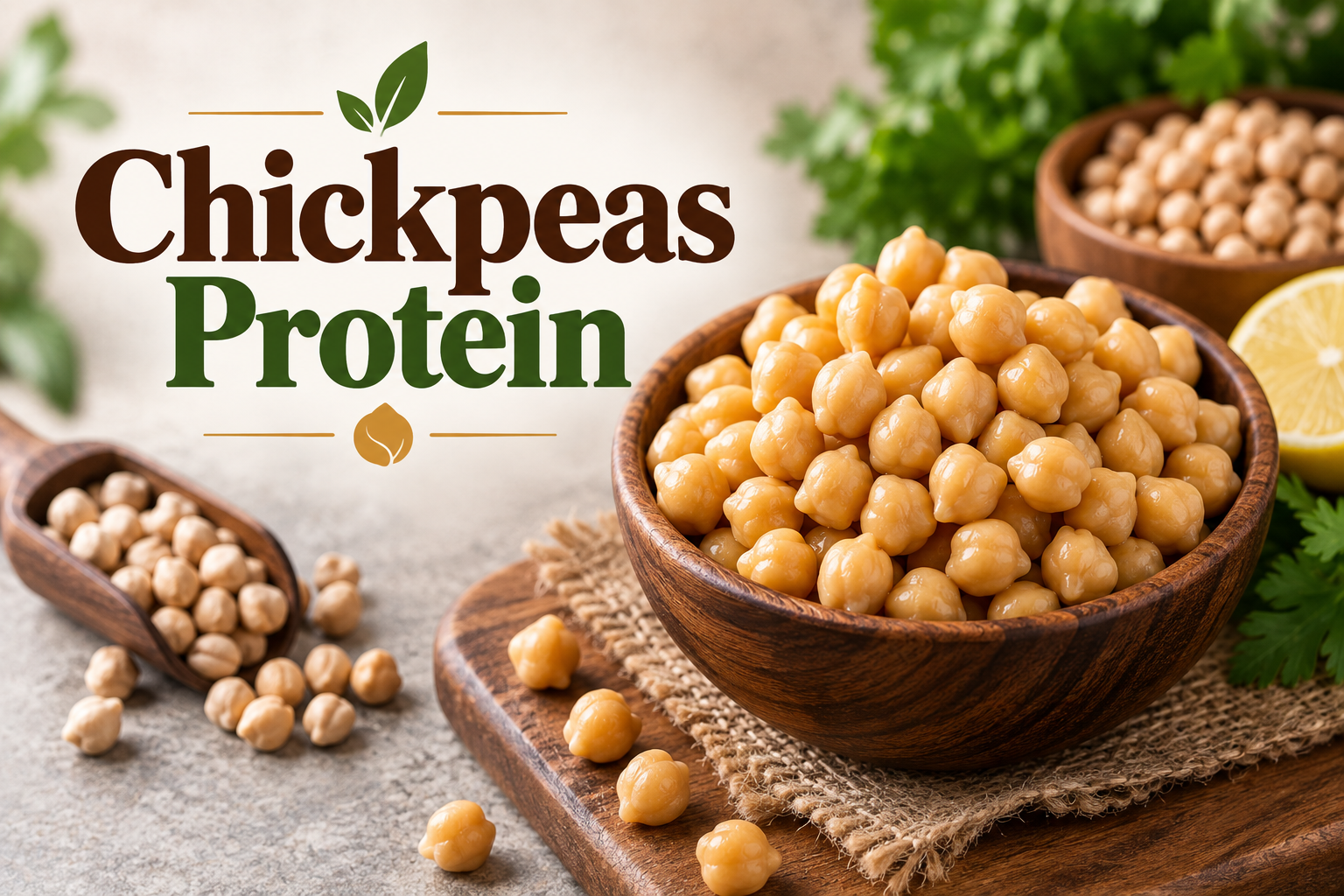
Chickpeas are a popular staple in Indian kitchens and are enjoyed in everything from Chana Masala and Chole to salads, chaats, and snacks. They are also a valuable source of plant-based protein, making them a popular choice for people following vegetarian and vegan diets. But how much protein do chickpeas actually contain? Does cooking change their protein content? And how can you add more chickpeas to your everyday meals?
This guide explains chickpeas protein content, their nutritional value, health benefits, and simple ways to include them in your diet.
The amount of protein in chickpeas depends on whether you measure them dry or after cooking. Cooked chickpeas contain more water, so their protein concentration per 100 grams is lower than that of dry chickpeas.
Approximate protein amounts are:
100g cooked chickpeas: about 9g protein
1 cup cooked chickpeas: about 14–15g protein
100g dry chickpeas: about 19g protein
These numbers can vary depending on the chickpea variety, cooking method, and serving size.
For everyday meals, a cup of cooked chickpeas can provide a useful amount of protein along with fiber, carbohydrates, and several important micronutrients.
If you are tracking your protein intake, 100g cooked chickpeas provide approximately 9g of protein.
Because dry chickpeas absorb water during soaking and cooking, their weight increases considerably. This is why 100g of dry chickpeas has a higher protein value than 100g of cooked chickpeas.
| Chickpeas | Approx. Protein |
|---|---|
| 100g cooked chickpeas | 9g |
| 1 cup cooked chickpeas | 14–15g |
| 100g dry chickpeas | 19g |
The exact nutritional value can vary by product and preparation method.
Yes, chickpeas are a good source of plant-based protein. They can be particularly useful for vegetarians and vegans who want to include more protein-rich foods in their meals.
However, chickpeas do not need to be eaten alone to create a nutritious meal. Pairing them with foods such as rice, whole grains, roti, vegetables, or dairy products can provide a broader range of nutrients.
For example, a meal of chana, rice, vegetables, and yogurt can provide protein, carbohydrates, fiber, and other nutrients in one meal.
Protein is one reason chickpeas are popular, but they provide much more than protein.
Chickpeas are also a source of:
Dietary fiber
Complex carbohydrates
Folate
Iron
Magnesium
Phosphorus
Potassium
Plant-based protein
Their combination of protein and fiber can make chickpeas a filling addition to meals.
Chickpeas are an easy way to add plant-based protein to vegetarian meals. They can be used in curries, salads, wraps, chaats, and homemade dips.
Adding chickpeas to meals can help increase overall protein intake without relying entirely on animal-based foods.
Chickpeas contain dietary fiber, which is important for normal digestive function. Fiber also contributes to feelings of fullness after meals.
This makes chickpeas useful in meals where you want a combination of protein and fiber.
Chickpeas contain protein, carbohydrates, fiber, and several vitamins and minerals. Including them alongside vegetables, whole grains, fruits, and other protein sources can contribute to a varied and balanced diet.
Chickpeas contain nutrients such as iron and folate. These nutrients play important roles in normal body functions, including red blood cell production and cell growth.
One of the biggest advantages of chickpeas is their versatility. They can be prepared in traditional Indian recipes or used in modern dishes such as salads, wraps, hummus, and grain bowls.
Many people get confused when comparing the protein content of dry and cooked chickpeas.
Dry chickpeas contain very little water. After soaking and cooking, they absorb water and become much heavier.
For example, the same amount of dry chickpeas can weigh considerably more after cooking. The total protein from the original chickpeas remains broadly similar, but the protein per 100g changes because of the added water.
This is why nutrition labels and food databases may show different protein numbers depending on whether chickpeas are listed as dry or cooked.
Soaking chickpeas primarily helps soften them and reduces cooking time. Some nutrients can be lost into the soaking water, but soaking does not remove all the protein from chickpeas.
For dried chickpeas, a common preparation method is:
Rinse the chickpeas.
Soak them in plenty of water for several hours or overnight.
Drain and rinse.
Cook until tender.
Use them in your preferred recipe.
Always cook dried chickpeas thoroughly before eating.
There are many simple ways to include chickpeas in everyday meals.
Cooked chickpeas simmered with onions, tomatoes, ginger, garlic, and Indian spices make a classic protein-rich meal.
Serve it with rice, roti, or bhatura depending on your preference.
Combine boiled chickpeas with cucumber, tomato, onion, coriander, lemon juice, and spices for a quick salad.
Chickpea chaat can be made with boiled chickpeas, onions, tomatoes, coriander, lemon juice, and chaat masala.
It makes a flavorful snack or light meal.
Cooked chickpeas can be blended with tahini, lemon juice, garlic, and olive oil to make hummus.
Enjoy it with vegetables, bread, or wraps.
Cooked chickpeas can be seasoned with spices and roasted until crisp. They make a crunchy snack that is easy to prepare.
Chickpeas can be added to vegetable curries for extra protein and texture.
Chickpeas are one of many plant-based foods that can contribute protein to your diet.
| Food | Protein Source |
|---|---|
| Chickpeas | Legume |
| Lentils | Legume |
| Kidney beans | Legume |
| Black beans | Legume |
| Soybeans | Legume |
| Peanuts | Legume |
| Green peas | Legume |
Each food has its own nutritional profile. Rotating different legumes and plant foods can help add variety to your meals.
For people following vegetarian or vegan diets, chickpeas can be a convenient ingredient for increasing protein intake.
They can be combined with grains, vegetables, nuts, seeds, and other legumes to create varied meals.
Some easy combinations include:
Chickpeas with rice
Chana with roti
Chickpea salad with vegetables
Hummus with whole-grain bread
Chickpea curry with millet
Chana chaat with vegetables
Using different protein sources throughout the week can help keep meals varied and nutritious.
For dried chickpeas, soaking before cooking is generally helpful because it softens the beans and reduces cooking time.
For canned chickpeas, rinse them before using if you want to reduce some of the sodium from the liquid.
When cooking chickpeas from scratch, cook them until they are tender enough to eat comfortably. They can then be stored and used in several meals throughout the week.
Your daily protein requirement depends on factors such as age, body size, activity level, and overall diet.
Rather than relying on one food for all your protein needs, include a variety of protein sources throughout the day.
Chickpeas can be one part of that overall diet and work especially well with other vegetarian protein sources such as lentils, beans, dairy, soy foods, nuts, and seeds.
| Question | Answer |
|---|---|
| Protein in 100g cooked chickpeas | About 9g |
| Protein in 1 cup cooked chickpeas | About 14–15g |
| Protein in 100g dry chickpeas | About 19g |
| Are chickpeas plant-based protein? | Yes |
| Do chickpeas contain fiber? | Yes |
| Can vegetarians eat chickpeas? | Yes |
| Can chickpeas be used in snacks? | Yes |
100g of cooked chickpeas contains approximately 9g of protein. Dry chickpeas contain approximately 19g of protein per 100g.
One cup of cooked chickpeas provides approximately 14–15g of protein, although the exact amount can vary depending on the preparation and serving size.
Chickpeas can contribute useful plant-based protein to a balanced diet. They also provide fiber, carbohydrates, and several vitamins and minerals.
Chickpeas contain protein but are relatively low in some essential amino acids. Eating a varied diet that includes grains, legumes, nuts, seeds, or other protein sources helps provide a broader range of amino acids.
Yes. Chickpeas are a convenient plant-based protein source and can be included in vegetarian meals such as chana masala, salads, chaats, and curries.
Cooking changes the weight and water content of chickpeas, which changes the protein amount measured per 100g. Chickpeas still remain a useful source of protein after cooking.
Chickpeas can be included regularly as part of a varied, balanced diet. Portion size and individual dietary needs should be considered.
Want to add chickpeas to your everyday meals? Get quality chickpeas and other Indian grocery essentials from Vraj Fresh and keep your kitchen stocked with nutritious staples.
Chickpeas are a nutritious and versatile food that can add plant-based protein, fiber, carbohydrates, and important nutrients to everyday meals. With approximately 9g of protein per 100g when cooked, they are a practical choice for vegetarian and vegan diets.
From traditional Chana Masala and Chole to salads, hummus, and roasted snacks, there are many easy ways to enjoy chickpeas. Including chickpeas alongside other legumes, grains, vegetables, nuts, seeds, and protein-rich foods can help create varied and satisfying meals.


